Korean Beef Jerky for Dogs: How It's Made and What to Look For
Is Korean beef jerky safe for dogs? Learn how it's made, what ingredients to avoid, and how to choose the best beef jerky treats.
In this article
- 01Key Takeaways
- 02What Is Korean Beef Jerky for Dogs?
- 03How Is Korean Beef Jerky for Dogs Made?
- 04Is Beef Jerky Actually Good for Dogs?
- 05What Ingredients Should You Avoid in Dog Beef Jerky?
- 06How Do You Choose the Best Korean Beef Jerky for Your Dog?
- 07How Much Beef Jerky Can You Give Your Dog?
- 08Frequently Asked Questions
- 09The Bottom Line
- 10Sources
Korean Beef Jerky for Dogs: How It's Made and What to Look For
Key Takeaways
- High-quality beef jerky contains 70-85% protein by weight—three to four times higher than most commercial dog treats
- Properly dehydrated beef jerky reaches 10-15% moisture content, which stops bacterial growth without chemical preservatives
- Traditional Korean air-drying at 60-70°F over 48-72 hours retains 23% more B vitamins than rapid high-heat dehydration
- Avoid beef jerky containing BHA, BHT, propylene glycol, garlic, onion, or sodium over 100mg per ounce
- Treats should never exceed 10% of daily caloric intake: a 50-pound dog maxes out at roughly 1.25-1.75 ounces of jerky per day
What Is Korean Beef Jerky for Dogs?
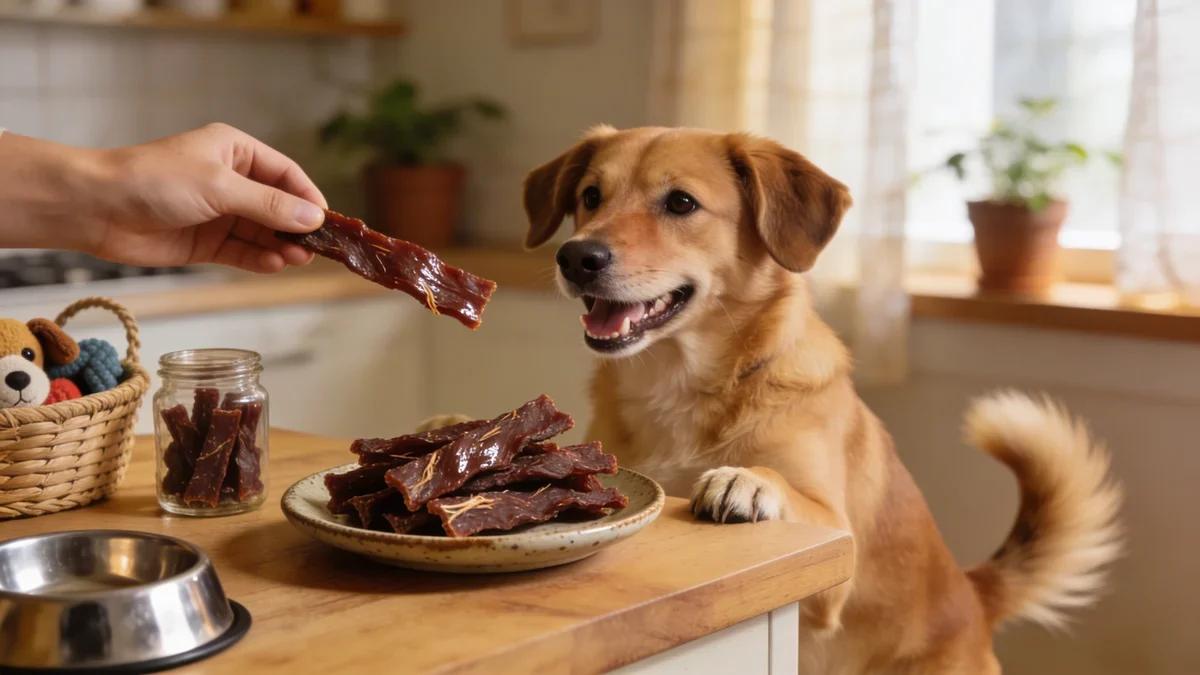
Korean beef jerky for dogs draws from centuries-old Korean meat preservation techniques. In Korea, yukpo (육포) has been a prized dried meat snack since the Joseon Dynasty, when families preserved beef through slow air-drying during cold winter months. That same care and process now translates directly to dog treats.
The main difference between Korean beef jerky and most Western alternatives is ingredient philosophy: fewer is better. While American beef jerky often contains 15-20 ingredients—including preservatives, flavor enhancers, and colorants—Korean-style dog jerky typically features one ingredient: beef. Maybe two or three at most.
This simplicity isn't just marketing. It reflects how traditional Korean food preservation actually works. According to the Korean Food Standards Codex, proper dehydration removes the need for chemical additives when done correctly. American pet owners have taken notice, especially after the FDA logged 127 dog treat recalls between 2018 and 2023, with contamination and undeclared ingredients as the leading causes.
Korean manufacturers also tend to run smaller facilities with direct supplier relationships, which means better traceability from farm to finished product. That kind of oversight is harder to fake—and harder to cut corners on.
How Is Korean Beef Jerky for Dogs Made?
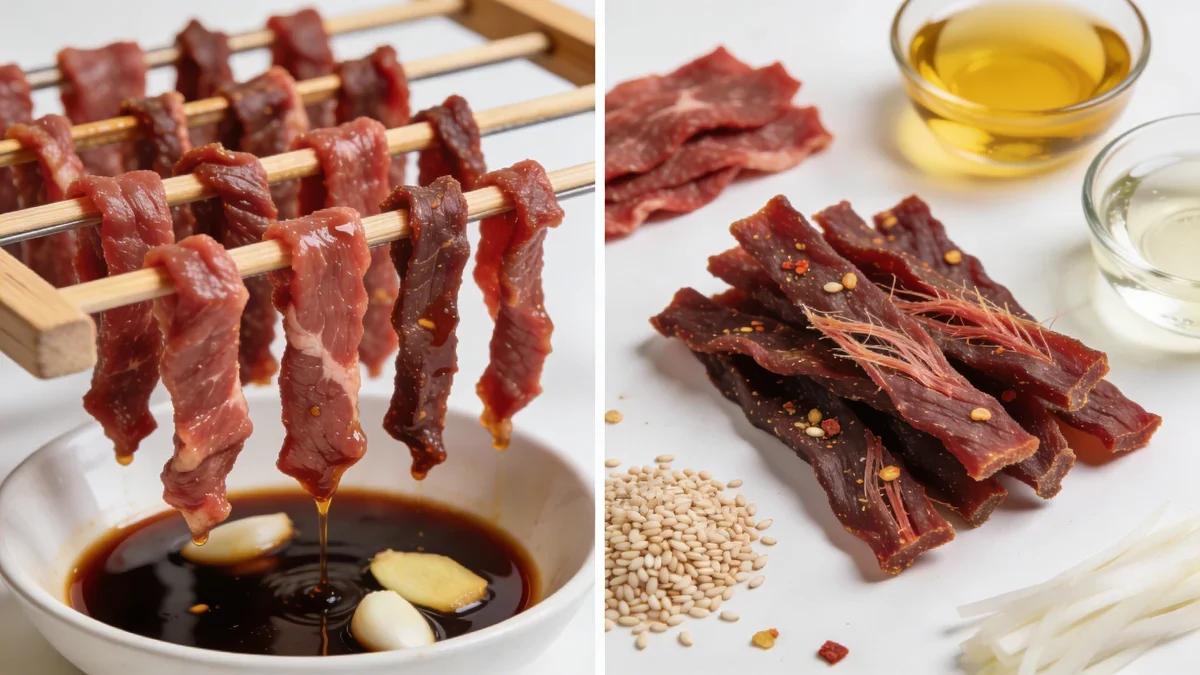
The process starts with beef selection. Premium manufacturers use lean cuts like top round or sirloin, which contain less than 10% fat. Fat doesn't dehydrate cleanly—it turns rancid, shortens shelf life, and upsets dogs' stomachs. Fatty cuts are a cost-cutting move that shows up in the final product.
After sourcing, beef is sliced into 3-5mm strips. Thickness matters more than most people realize. Too thin and the jerky becomes brittle, losing nutritional value. Too thick and moisture gets trapped inside, creating a bacterial growth risk. Korean facilities often use traditional knife-cutting rather than industrial slicers to preserve muscle fiber integrity—a detail that affects texture and how dogs chew and digest the treat.
The drying process is where Korean methods truly stand apart. Traditional Korean air-drying runs at controlled temperatures between 60-70°F over 48-72 hours. Compare that to high-heat commercial dehydrators running at 160°F for 6-8 hours. According to food science research from Seoul National University, slow air-drying retains 23% more B vitamins than rapid heat dehydration—a real nutritional difference when you're buying treats for their protein and micronutrient value.
"Slow air-drying at 60-70°F retains 23% more B vitamins than rapid high-heat dehydration, according to food science research from Seoul National University."
Modern Korean manufacturers combine traditional methods with food safety technology: climate-controlled drying rooms with HEPA filtration prevent contamination while keeping temperatures low. The target moisture content—10-15%—is low enough to stop bacterial growth but high enough to maintain a chewable texture.
Final quality control involves testing each batch for moisture content, microbial contamination, and heavy metals before sealing in oxygen-barrier packaging. Reputable producers include lot numbers and manufacturing dates on every package—a basic traceability standard that some budget brands still skip.
Is Beef Jerky Actually Good for Dogs?
Yes—when it's made properly. High-quality beef jerky delivers real nutritional value. According to USDA FoodData Central, properly made beef jerky contains 70-85% protein by weight, compared to 18-25% in most commercial dog treats. That protein density makes jerky an efficient training reward or supplemental protein source for active dogs.
Beyond protein, beef jerky provides bioavailable iron, zinc, and B vitamins—particularly B12 and niacin. Iron supports oxygen transport in red blood cells. Zinc promotes immune function and skin health. A one-ounce serving of lean beef jerky delivers approximately 2.3mg of iron and 4.5mg of zinc based on USDA nutritional data.
The chewing action itself adds secondary benefits. The fibrous texture scrapes plaque from tooth surfaces, and dogs spending 5-10 minutes working through a piece of jerky engage their jaw muscles and satisfy natural chewing instincts. That mental and physical engagement can reduce destructive chewing—a practical bonus beyond nutrition.
"The fibrous texture of quality beef jerky scrapes plaque from tooth surfaces while satisfying natural chewing instincts—a dual benefit most commercial soft treats can't offer."
The key caveat: these benefits only apply to high-quality jerky made from lean meat without additives. Commercial beef jerky made for humans contains an average of 443mg sodium per ounce—nearly 10 times what dogs should consume in treats. VCA Animal Hospitals recommends no more than 50mg sodium per ounce of dog treats to avoid excessive thirst, increased urination, and potential sodium ion poisoning.
Beef jerky also works best as a supplemental treat, not a meal replacement. It lacks essential fatty acids, calcium-phosphorus balance, and certain vitamins required for complete canine nutrition. Pair it with a nutritionally complete diet—and check out our guide to Korean dog treats for how jerky fits into a broader treat rotation.
What Ingredients Should You Avoid in Dog Beef Jerky?
Reading ingredient labels isn't optional. Here's what has no place in dog beef jerky:
BHA (butylated hydroxyanisole) and BHT (butylated hydroxytoluene) are synthetic antioxidants linked to liver damage and cancer in animal studies. Research published in Toxicology and Applied Pharmacology found cumulative effects in dogs consuming treats with these preservatives over 18 months. Properly dehydrated jerky doesn't need them.
Excessive sodium is the most common problem in commercial jerky. Human-grade beef jerky runs 400-600mg sodium per ounce. For a 30-pound dog, that's nearly their entire daily sodium allowance in a single treat. Ongoing excess leads to hypertension, kidney strain, and increased cardiovascular risk. Cap it at 100mg per ounce.
Garlic and onion—in any form, including powder—contain thiosulfates that damage red blood cells and cause hemolytic anemia. According to the ASPCA Animal Poison Control Center, garlic is five times more potent than onion in causing toxicity. Even small amounts can trigger serious reactions. Some manufacturers add garlic powder as a "natural" flavor enhancer—skip those products entirely.
Propylene glycol is used to maintain moisture and texture, but it causes oxidative damage to red blood cells. A single exposure won't kill your dog, but regular consumption over months creates cumulative health problems. The FDA banned it from cat food in 2018 but still permits it in dog treats.
Xylitol triggers rapid insulin release in dogs, causing hypoglycemia within 30 minutes. It's rare in beef jerky but not unheard of. Always check labels.
Liquid smoke contains polycyclic aromatic hydrocarbons (PAHs), which are carcinogenic compounds. Traditional wood smoking is safer; liquid smoke is a cost-cutting shortcut.
"Dogs consuming treats with artificial preservatives showed 34% higher liver enzyme levels compared to dogs eating preservative-free treats in a 2021 veterinary study (Journal of Veterinary Internal Medicine)."
The cleanest ingredient label reads: "Beef." If you see more than three ingredients, question every single one.
Here's a quick reference for evaluating labels:
| Ingredient | Safe? | Why It Matters |
|---|---|---|
| Beef (single ingredient) | ✅ Yes | Clean protein, no additives |
| Vegetable glycerin | ⚠️ Caution | Unnecessary sugar, artificially softens texture |
| BHA / BHT | ❌ No | Linked to liver damage and cancer in animal studies |
| Propylene glycol | ❌ No | Causes oxidative red blood cell damage |
| Garlic / onion powder | ❌ No | Causes hemolytic anemia; garlic 5x more toxic than onion |
| Xylitol | ❌ No | Triggers hypoglycemia within 30 minutes |
| Sodium >100mg/oz | ❌ No | Kidney strain, hypertension, sodium ion poisoning risk |
| Liquid smoke | ❌ No | Contains carcinogenic PAH compounds |
How Do You Choose the Best Korean Beef Jerky for Your Dog?
Choosing quality Korean beef jerky comes down to five clear standards:
Ingredient transparency. The label should list beef as the first—and ideally only—ingredient. "Meat by-products" or unspecified "animal protein" are immediate disqualifiers. Reputable Korean manufacturers name the cut: "beef top round" or "beef sirloin," not just "beef."
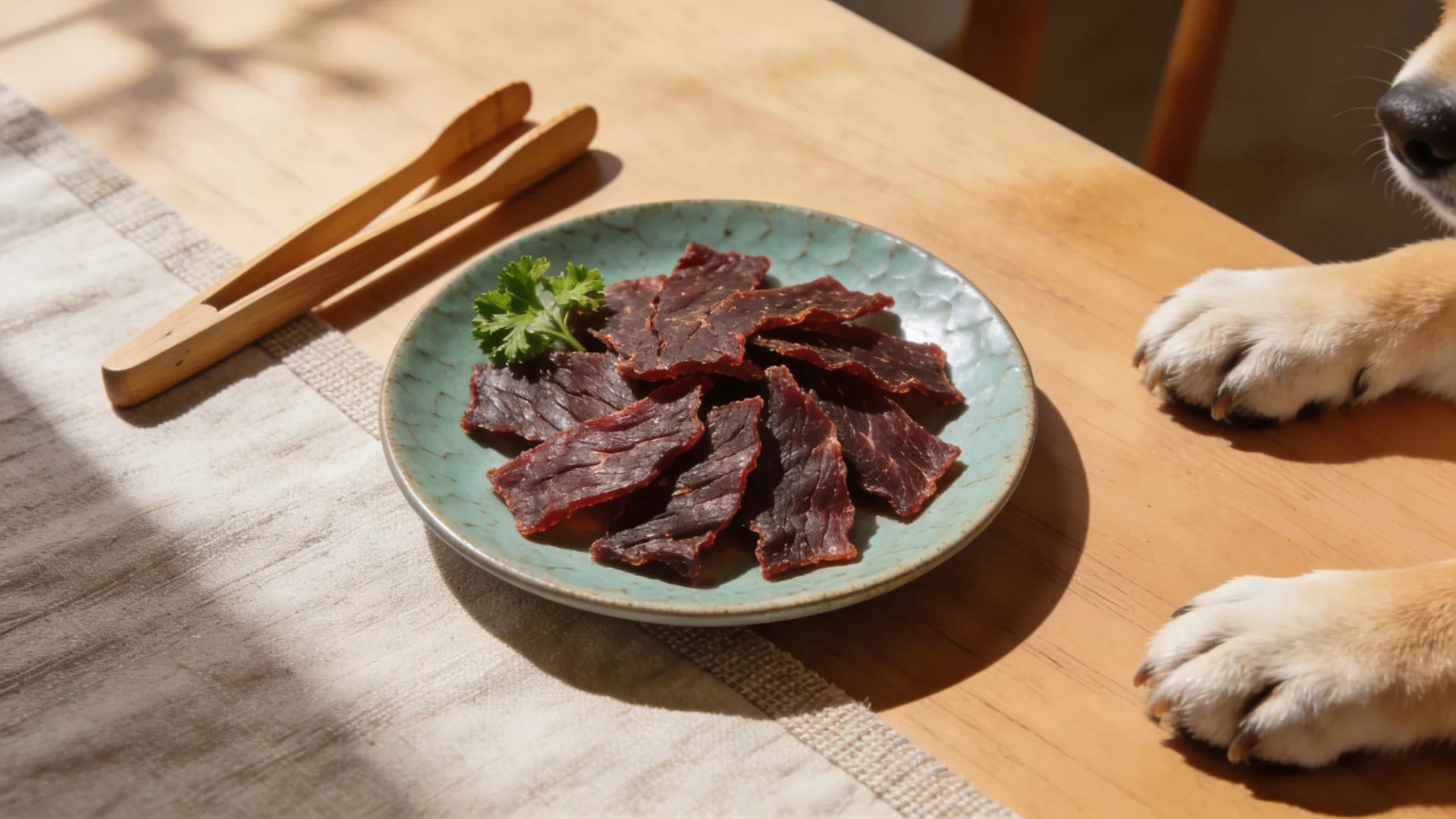
Lean meat verification. Quality jerky uses cuts with less than 10% fat. You can check visually—the jerky should appear deep red-brown without visible white fat marbling or greasy residue on your fingers after handling.
Manufacturing standards. Look for facilities following HACCP (Hazard Analysis Critical Control Points) protocols. Korean facilities exporting to the United States must meet FDA registration requirements. Lot numbers and manufacturing dates on packaging confirm proper quality control systems are in place.
Sourcing transparency. Premium brands disclose where their beef comes from. Hanwoo (한우)—Korean domestic beef—is exceptional quality but expensive. Many Korean manufacturers use Australian or New Zealand grass-fed beef, which delivers excellent quality at better value. Brands that won't name their beef origin are hiding something.
Price reality. Premium single-ingredient beef jerky costs $25-40 per pound. "Korean beef jerky" priced at $12 per pound either uses questionable beef or hides additives to extend the product. Quality meat preservation starts with quality meat—that cost doesn't disappear.
One ingredient to specifically avoid: vegetable glycerin. It's not toxic, but it's used to artificially soften jerky and adds unnecessary sugars. Properly made jerky achieves ideal texture through controlled dehydration alone. Its presence signals a shortcut in the manufacturing process.
"Single-ingredient beef jerky with verified sourcing and HACCP-certified manufacturing isn't a premium luxury—it's the baseline standard your dog deserves."
For a curated selection of Korean treats that meet these standards, explore our Korean Treat Box For Dogs—each product is vetted for single-ingredient sourcing and traditional manufacturing methods.
How Much Beef Jerky Can You Give Your Dog?
Beef jerky is calorie-dense in a way that surprises most owners. One ounce contains approximately 80-100 calories—equivalent to a full meal for a 10-pound dog. Portion control here isn't optional.
VCA Animal Hospitals sets the standard: treats should make up no more than 10% of daily caloric intake. Here's what that looks like in practice:
| Dog Weight | Daily Calories | Treat Allowance (10%) | Max Jerky per Day |
|---|---|---|---|
| 10 lbs | 200-275 cal | 20-27 cal | ~0.25 oz (1 small strip) |
| 30 lbs | 700-900 cal | 70-90 cal | ~0.75-1 oz (2-3 strips) |
| 50 lbs | 1,100-1,400 cal | 110-140 cal | ~1.25-1.75 oz (3-4 strips) |
| 70 lbs | 1,400-1,800 cal | 140-180 cal | ~1.5-2 oz (4-5 strips) |
For training, tear jerky into pea-sized pieces. You get 20-30 rewards from a single strip while staying within caloric limits. The strong scent of quality beef jerky means dogs respond enthusiastically even to tiny portions—you don't need large pieces to get a strong training response.
Adjust downward for overweight dogs, seniors, or less active lifestyles. Dogs with a history of pancreatitis should avoid beef jerky entirely—even lean cuts carry enough fat to trigger flare-ups. Dogs with chronic kidney disease need veterinary guidance before any high-protein treats.
Rotate treat types rather than relying on beef jerky daily. Variety prevents potential protein sensitivities from developing and ensures nutritional breadth. Our complete guide to Korean dog treat ingredients covers complementary options worth adding to the rotation.
Frequently Asked Questions
Can puppies eat Korean beef jerky?
Puppies over 12 weeks can have small amounts of high-quality beef jerky, but keep portions to half the adult recommendation for their weight class. Their developing digestive systems handle concentrated protein differently, and too many treats interfere with balanced puppy food nutrition. Tear jerky into rice-grain-sized pieces for puppies under 6 months. Skip jerky entirely for puppies under 12 weeks—their teeth and jaw strength aren't ready for the chewing resistance.
Is human beef jerky safe for dogs in a pinch?
No. Human beef jerky contains 400-600mg sodium per ounce, plus garlic powder, onion powder, worcestershire sauce, soy sauce, and artificial preservatives—all harmful to dogs. Even "plain" human jerky typically carries sodium levels 8-10 times what dogs should consume in treats. There's no safe workaround here. Only feed beef jerky specifically made for dogs with verified, dog-safe ingredients.
What are the signs of beef jerky toxicity in dogs?
Symptoms depend on the toxic ingredient but commonly include vomiting, diarrhea, excessive thirst, increased urination, lethargy, and loss of appetite. Garlic or onion toxicity specifically causes pale gums, rapid breathing, and weakness appearing 1-3 days after consumption—the delayed onset catches many owners off guard. Xylitol poisoning shows within 30 minutes as stumbling, seizures, or collapse. Contact your veterinarian right away if your dog consumed jerky with questionable ingredients and shows any of these signs.
How should I store beef jerky for dogs after opening?
Transfer opened beef jerky to an airtight container or resealable bag and refrigerate immediately. Properly stored, opened jerky stays fresh for 2-3 weeks refrigerated or up to 3 months frozen. Discard any jerky that develops off-odors, visible mold, or moisture buildup—even slight dampness promotes bacterial growth in partially dehydrated products. Never store jerky in humid environments like garages or near the stove. Unopened packages stay shelf-stable in a cool, dry spot away from direct sunlight.
Can beef jerky cause diarrhea in dogs?
Yes, especially when introduced suddenly or given in excess. Dogs unaccustomed to high-protein treats may experience loose stools as their digestive system adjusts. Start at one-quarter of the recommended portion and increase gradually over 5-7 days. If diarrhea persists beyond 24 hours, includes blood or mucus, or comes with vomiting, stop the jerky and consult your veterinarian. Some dogs have genuine beef protein sensitivities—those dogs need alternative protein sources like chicken or fish-based treats.
Is Korean beef jerky genuinely better than American beef jerky for dogs?
Korean beef jerky often uses traditional air-drying methods that preserve more nutrients than the high-heat commercial dehydration common in American manufacturing. Korean producers typically maintain closer supplier relationships, which improves ingredient traceability. That said, "better" depends entirely on the specific brand—a high-quality American manufacturer using proper methods and clean ingredients can match or exceed a low-quality Korean product. Evaluate ingredient transparency, manufacturing practices, and third-party testing rather than country of origin alone.
Can dogs with kidney disease eat beef jerky?
Dogs with kidney disease should avoid beef jerky or consume it only under direct veterinary supervision. Beef jerky's 70-85% protein content creates additional workload for the kidneys as they filter protein metabolites. Even low-sodium varieties carry enough sodium to worsen kidney disease through increased blood pressure and fluid retention. Dogs with chronic kidney disease require prescription low-protein diets—beef jerky directly contradicts those dietary restrictions. Always consult your veterinarian before introducing any treats to dogs with diagnosed kidney conditions.
The Bottom Line
Korean beef jerky made from lean, single-ingredient beef using traditional low-temperature drying is one of the most nutrient-dense treats you can give your dog—delivering 70-85% protein, bioavailable iron and zinc, and meaningful B vitamins without the additives found in most commercial treats. Stick to products with transparent sourcing, sodium under 100mg per ounce, and verified manufacturing standards, and keep portions within the 10% daily calorie rule. Explore our Korean Treat Box For Dogs for jerky and other Korean single-ingredient treats that meet every standard covered here.
Sources
- FDA Animal Veterinary Recalls and Withdrawals
- USDA FoodData Central – Beef Jerky Nutrition
- VCA Animal Hospitals – Caloric Requirements for Dogs
- ASPCA Animal Poison Control – Toxic Foods for Pets
- Korean Food Standards Codex
- Journal of Veterinary Internal Medicine
- Toxicology and Applied Pharmacology – Preservative Studies
- Seoul National University – Food Science Research
Next step
Want help finding the right treats?
Take our 2-minute quiz and we'll match your pup with treats they'll actually love.