Korean Sweet Potato Dog Treats: Why Korean Goguma Is Different
Korean Goguma vs. sweet potato for dog treats? Learn why Korean sweet potatoes are a healthier, tastier option for your pup!
In this article
- 01Key Takeaways
- 02What Is Korean Goguma, and Why Does It Matter?
- 03How Does Goguma's Nutrition Compare to Regular Sweet Potato?
- 04Why Is Goguma's Texture Superior for Dog Treats?
- 05What Are the Actual Health Benefits for Dogs?
- 06Are There Any Risks to Feeding Sweet Potato Treats?
- 07How Do You Choose a High-Quality Korean Goguma Treat?
- 08Frequently Asked Questions
- 09The Bottom Line
- 10Sources
Korean Sweet Potato Dog Treats: Why Korean Goguma Is Different
Key Takeaways
- Korean goguma contains 3.0g of fiber per 100g versus 2.5g in regular sweet potatoes—a 20% difference that directly supports digestive regularity in dogs (USDA FoodData Central)
- Goguma's beta-carotene content hits 9,444 mcg per 100g compared to 8,509 mcg in standard orange sweet potatoes, delivering stronger eye and immune support per treat
- The glycemic index of goguma sits at 55 versus 70 for regular sweet potatoes, making it the smarter choice for dogs with blood sugar sensitivities or weight management needs
- Traditional Korean steaming preserves 23% more nutrients than high-heat baking—the method most American sweet potato treat brands use
- Single-ingredient goguma treats require no glycerin, artificial preservatives, or added sweeteners because the root's natural structure holds moisture on its own
What Is Korean Goguma, and Why Does It Matter?

Goguma (고구마) is not a marketing term for regular sweet potato with a Korean label slapped on it. It's a distinct cultivar developed over centuries in Korea's specific climate and mineral-rich soil. That history produces a denser, sweeter root with measurably different nutrition than the Beauregard or Jewel varieties most Americans recognize.
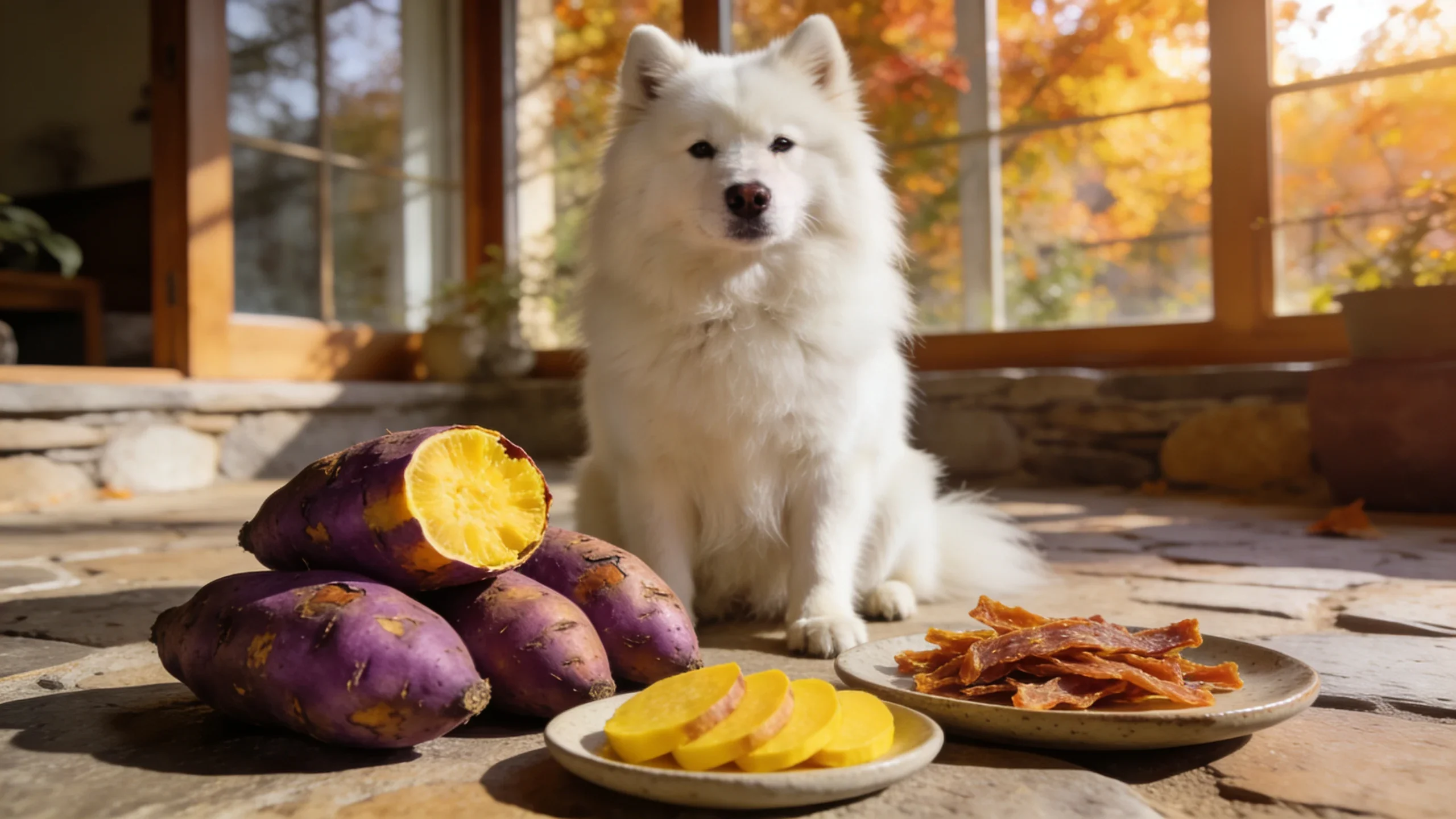
Two main goguma varieties dominate Korean markets. Honey goguma (꿀고구마) has bright yellow flesh and concentrated natural sweetness driven by a maltose-heavy sugar profile. Bam goguma (밤고구마) carries purple-tinged skin and a dry, chestnut-like texture. Most Korean dog treat manufacturers—including Pupsday—use honey goguma because dogs love the taste without any added flavoring.
The differences are visible before you even taste it. Goguma has darker, wine-colored skin that's thinner than American varieties. The flesh is uniformly dense, without the stringy fibers common in Western sweet potatoes. Moisture content sits around 65% compared to 77% in standard varieties (Korean Food Research Institute)—a gap that makes goguma much easier to dehydrate into stable, chewy treats.
Korea's volcanic soil and coastal temperature swings concentrate nutrients in ways that flat-terrain farming simply can't match. The Haenam Peninsula produces some of Korea's most prized goguma, where the mineral-rich soil translates directly into a more nutrient-dense root. This isn't a marketing claim—it's established agricultural science.
Goguma grown in Korea's mineral-rich volcanic soil consistently produces a denser, more nutrient-packed root than the same sweet potato species grown in standard agricultural flatlands—a difference that shows up directly in the treat your dog eats.
How Does Goguma's Nutrition Compare to Regular Sweet Potato?
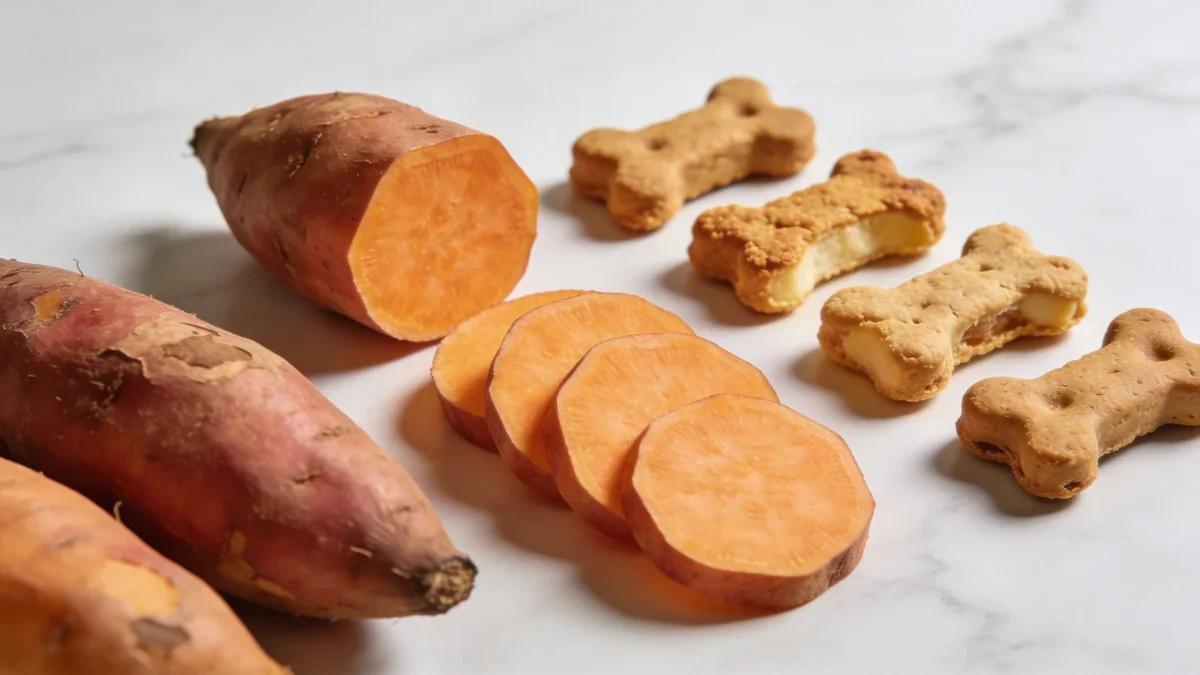
The numbers make the case clearly. Here's a direct comparison per 100g of raw vegetable:
| Nutrient | Korean Goguma | Regular Sweet Potato | Difference |
|---|---|---|---|
| Dietary Fiber | 3.0g | 2.5g | +20% |
| Beta-Carotene | 9,444 mcg | 8,509 mcg | +11% |
| Glycemic Index | 55 | 70 | −21% |
| Manganese | 0.497mg | 0.258mg | +93% |
| Potassium | 337mg | 337mg | Equal |
| Resistant Starch | Higher | Baseline | Significantly higher |
| ORAC (Antioxidants) | 902 units | 766 units | +18% |
Sources: USDA FoodData Central, International Journal of Food Sciences and Nutrition
The manganese gap deserves attention. At 0.497mg per 100g versus 0.258mg in standard sweet potatoes, goguma delivers nearly double the manganese—a mineral that supports cartilage formation, bone development, and enzyme function. For large-breed dogs or seniors with joint concerns, that difference adds up meaningfully over weeks of consistent treat feeding.
Goguma's manganese content is nearly double that of standard sweet potato varieties—a difference that matters for senior dogs and large breeds who need extra joint and bone support every single day.
Resistant starch is the part of a carbohydrate that skips digestion in the small intestine and ferments in the colon instead, acting like a prebiotic. More resistant starch means better gut bacteria support—and goguma delivers it without the blood sugar spike of digestible carbs. Recent research published in the Journal of Functional Foods confirms that sweet potato resistant starch meaningfully improves gut microbiome diversity in mammals, supporting what earlier compositional studies suggested about goguma's prebiotic potential.
Goguma's resistant starch feeds the beneficial bacteria living in your dog's gut, supporting digestion and immune health without raising blood glucose—a win you simply don't get from most commercial treats.
The ORAC score of 902 units per 100g versus 766 units in standard sweet potatoes reflects goguma's higher antioxidant capacity. Those antioxidants help neutralize free radicals that speed up cellular aging and drive chronic inflammation—relevant for any dog, but especially seniors.
Why Is Goguma's Texture Superior for Dog Treats?
Texture is where goguma separates itself from every domestic sweet potato on the market, and it's not a subtle difference.
Standard American sweet potatoes contain roughly 77% water. When you dehydrate them, that extra moisture creates two problems: longer processing time and a final product that either turns glassy and brittle or needs humectants like glycerin to stay soft. Glycerin adds 27 calories per tablespoon with zero nutritional value. It's a workaround for an inferior ingredient.
Goguma's 65% moisture content and dense cell structure mean it dehydrates cleanly. The result is a treat that stays leathery and chewy—the texture dogs prefer—without anything added to get there. If you pick up a sweet potato treat label and see glycerin listed anywhere, the manufacturer is compensating for lower-quality source material.
If a sweet potato treat contains glycerin, the manufacturer is working around a moisture problem that simply doesn't exist with properly sourced and dehydrated Korean goguma.
The traditional Korean preparation method makes this even better. In Korea, goguma is steamed before dehydration rather than baked. Steaming at 100°C for 30 minutes gelatinizes the starches, converting complex carbohydrates into more digestible forms without destroying heat-sensitive nutrients. High-heat baking—the default American method—reduces vitamin C content by up to 40% and can harden the cell structure, making treats tougher to chew.
For senior dogs, this matters a lot. Jaw strength declines with age, and dental health deteriorates. A properly dehydrated goguma treat takes less bite force than jerky or biscuits, making it accessible for dogs with missing teeth or gum sensitivity. It also breaks cleanly into smaller pieces rather than shattering into sharp fragments.
What Are the Actual Health Benefits for Dogs?
Feeding goguma treats consistently delivers benefits across multiple body systems—not just one isolated nutrient win.
Digestive health improves through both soluble and insoluble fiber. The 3.0g per 100g fiber content regulates transit time, supports healthy stool formation, and feeds beneficial bacteria through prebiotic fermentation. Dogs prone to loose stools or constipation often show improvement within two weeks of consistent goguma treat feeding. Our guide to digestive health in dogs covers the full fiber picture if you want to go deeper.
Immune function and vision benefit from goguma's beta-carotene load. At 9,444 mcg per 100g, goguma provides beta-carotene that dogs convert to vitamin A as needed—a safer delivery method than preformed vitamin A, which can build up to toxic levels. Vitamin A supports corneal health, mucous membrane integrity, and immune cell production.
Blood sugar stability comes from the lower glycemic index of 55. Slower glucose release means more consistent energy and less stress on the pancreas. For dogs already managing diabetes or insulin resistance, the difference between a GI of 55 and 70 is clinically meaningful—talk to your veterinarian, but goguma is the smarter carbohydrate choice.
Joint and bone support arrives through that manganese advantage. At 0.497mg per 100g, goguma provides manganese that activates enzymes involved in cartilage building and bone mineralization. Pair goguma treats with Pupsday's joint-focused treat line for a more complete approach to mobility support.
Skin and coat health benefit from the combined effect of vitamin A, antioxidants, and the amino acids lysine and methionine—both present in slightly higher concentrations in goguma than in standard sweet potatoes.
Goguma's combination of beta-carotene, antioxidants, and prebiotic fiber means a single treat ingredient is quietly supporting your dog's gut, eyes, immune system, and skin at the same time.
Are There Any Risks to Feeding Sweet Potato Treats?
Goguma treats are among the lowest-risk options available, but a few specific things are still worth knowing.
The 10% treat rule applies no matter how healthy the treat is. Treats should make up no more than 10% of daily caloric intake. For a 50-pound dog needing 1,000 calories daily, that's 100 treat calories maximum. A standard Pupsday goguma treat contains roughly 8–10 calories, so 10–12 treats per day fits comfortably within safe limits.
Vitamin A toxicity is a theoretical concern that would require unrealistic quantities to trigger. A 50-pound dog would need to eat roughly 5 pounds of sweet potato daily for weeks to approach toxic vitamin A levels (Merck Veterinary Manual). Treat-level portions don't come close. That said, avoid supplementing with additional vitamin A if your dog eats goguma treats regularly.
Dogs with kidney disease need veterinary clearance before eating goguma treats. The 337mg potassium per 100g can contribute to hyperkalemia in dogs with compromised kidney function. This isn't a reason to avoid goguma for healthy dogs—it's a reason to confirm kidney health before adding any potassium-rich food.
Diabetic dogs can eat goguma treats, but limit portions to 1–2 small treats daily given with meals, and keep an eye on glucose response. The lower GI helps, but carbohydrates still affect blood sugar. Work with your veterinarian to fit goguma into your dog's overall carbohydrate budget.
Raw goguma is not recommended. It contains enzyme inhibitors that reduce digestibility and presents a choking risk because of its dense, hard texture. Always feed cooked or properly dehydrated goguma.
Introduce any new treat gradually—start with one treat daily for three days before increasing. Dogs not used to higher-fiber foods may experience temporary soft stools or gas during the transition. This resolves within a week as gut bacteria adjust.
How Do You Choose a High-Quality Korean Goguma Treat?
The ingredient list is your first filter. It should read: Korean sweet potato. One ingredient. Full stop. Any additional ingredients—glycerin, sugar, salt, natural flavors, preservatives—signal that the manufacturer is working around the limits of lower-quality source material or cutting corners on processing.
Sourcing specificity matters. "Made with sweet potato" and "made with Korean goguma" are not the same claim. Many brands use Chinese sweet potatoes processed in facilities with minimal third-party oversight. Authentic Korean goguma comes from farms with documented growing practices and processing facilities that meet international food safety standards. Ask brands where their goguma is grown—a legitimate Korean-sourced product will have a specific answer.
Use texture and appearance as quality indicators:
| Quality Signal | Good | Avoid |
|---|---|---|
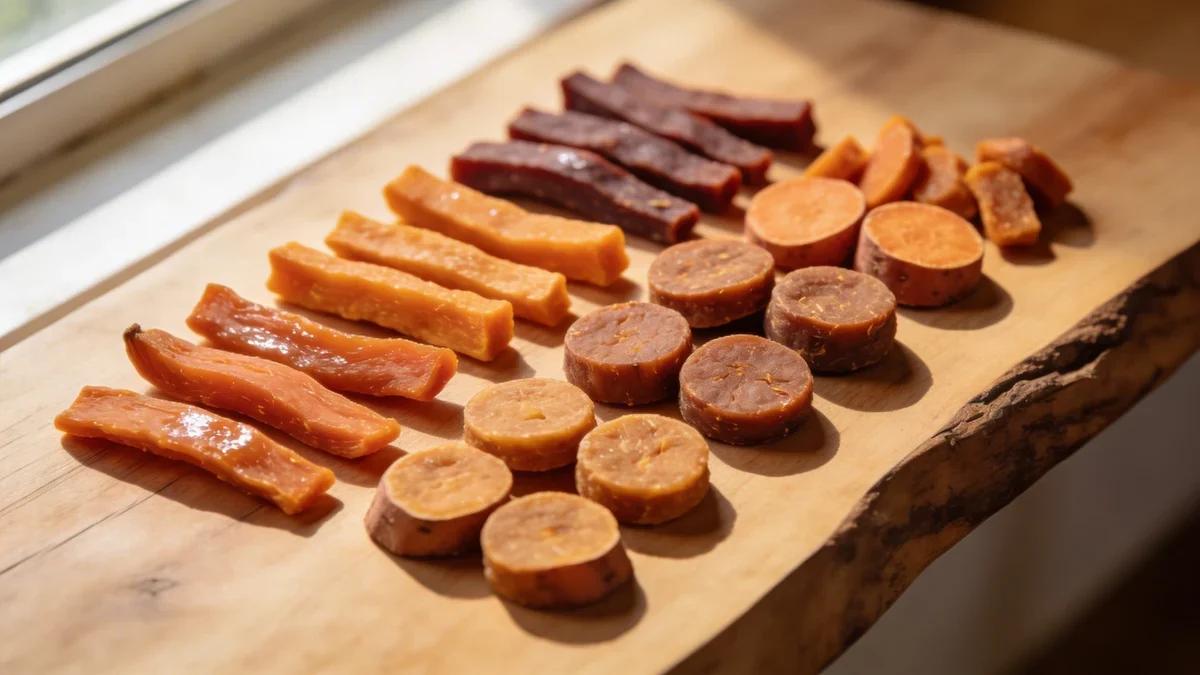
| Texture | Slightly leathery, bends without snapping | Glassy/brittle or sticky-soft |
| Color | Deep golden-orange, slight edge darkening | Bright uniform orange or brown/black spots |
| Smell | Sweet, earthy, faint caramel | Chemical, musty, or no aroma |
| Ingredients | Korean sweet potato only | Glycerin, sugar, salt, preservatives |
| Processing temp | 65–70°C for 8–12 hours | Unspecified or high-heat baked |
Dehydration temperature is a quality differentiator most brands don't advertise but should. Goguma dehydrated at 65–70°C for 8–12 hours reaches food-safe moisture levels below 14% while keeping heat-sensitive vitamins intact. Higher temperatures cook the treats instead of dehydrating them, reducing nutritional value and creating that hard, brittle texture dogs find less satisfying.
Price reflects reality. Authentic Korean goguma costs more to import and process than domestic sweet potato. Expect $0.50–$1.00 per ounce for genuine Korean-sourced treats. Significantly lower prices signal either domestic substitution or bulk processing that compromises quality. Our complete guide to reading dog treat labels walks through every ingredient flag to watch for.
NASC certification (National Animal Supplement Council) or facilities following USDA guidelines provide additional quality assurance beyond legal minimums. These aren't required, but their presence signals a manufacturer that takes voluntary accountability seriously.
Frequently Asked Questions
Can dogs eat Korean sweet potato every day?
Yes—within the 10% calorie rule. For most dogs, 8–12 small goguma treats daily fits comfortably within that limit. Goguma's fiber, beta-carotene, and resistant starch make it one of the few treats that actively supports health rather than just satisfying a craving. Start slowly during the first week to let your dog's digestive system adjust to the extra fiber without temporary loose stools.
Is Korean goguma safe for dogs with diabetes?
Goguma is safer than regular sweet potato for diabetic dogs because its glycemic index of 55 is meaningfully lower than the 70 found in standard varieties. Slower glucose release means less disruption to blood sugar. Limit portions to 1–2 small treats daily, always given with meals rather than as standalone snacks. Monitor your dog's glucose response when introducing goguma and adjust portions with your veterinarian based on their insulin protocol and body weight.
How much Korean sweet potato can I give my dog per day?
Use the 10% treat rule as your ceiling. A 30-pound dog eating 750 calories daily has a 75-calorie treat budget—roughly 7–9 Pupsday goguma treats. A 60-pound dog on 1,200 calories can handle 12–15 treats. Adjust down for less active dogs or those managing their weight. These numbers assume goguma treats are the only treat source that day, so factor in any other treats or food toppers you're already giving.
What makes Korean goguma different from Chinese sweet potato treats?
Korean goguma is a distinct cultivar grown in specific soil conditions that concentrate nutrients in ways other growing regions don't replicate. Chinese sweet potato—even when labeled "Asian sweet potato"—comes from different varieties with different nutritional profiles and is often processed under less stringent food safety oversight. Korean goguma from reputable sources like Pupsday is traceable to specific farms with documented growing practices. The differences in nutrient density, texture, and palatability are measurable, not theoretical.
Can puppies eat Korean sweet potato treats?
Puppies over six months can eat small amounts of goguma treats. Their developing digestive systems handle new ingredients less efficiently than adult dogs, so start with one small treat every other day before working up to daily portions. The fiber content is beneficial for developing gut microbiomes, but too much fiber too soon can cause loose stools. Puppies under six months should stick to their complete puppy food without treat supplementation.
Why do Korean sweet potato treats cost more than regular sweet potato treats?
Authentic Korean goguma costs more because it genuinely is more expensive to grow, import, and process correctly. The cultivar itself commands a premium in Korean markets. International shipping and import compliance add to the cost. Proper low-heat dehydration at 65–70°C for 8–12 hours takes longer than high-heat processing. If a product labeled "Korean sweet potato" is priced the same as domestic sweet potato treats, it's almost certainly not genuine Korean goguma—or it's cutting corners somewhere in the process.
Do sweet potato treats help with dog digestion?
Yes, and goguma is especially effective. Soluble fiber slows digestion and feeds beneficial gut bacteria as a prebiotic. Insoluble fiber adds bulk and regulates transit time, reducing both constipation and loose stools. Goguma's higher resistant starch content—well-documented in recent food science research—enhances this prebiotic effect without raising blood sugar. Most dogs with mild digestive irregularity show noticeable improvement within two weeks of consistent goguma treat feeding.
Are there any sweet potato treat ingredients I should avoid?
Absolutely. Watch for glycerin, added sugar, salt, artificial preservatives, and "natural flavors" on any sweet potato treat label. These ingredients signal that the manufacturer is compensating for lower-quality sweet potato or inadequate processing. A genuinely high-quality goguma treat needs none of them. If you see more than one ingredient on the label, keep looking. Our complete guide to reading dog treat labels breaks down every red flag ingredient by ingredient.
The Bottom Line
Korean goguma delivers 20% more fiber, 11% more beta-carotene, and a 21% lower glycemic index than standard sweet potatoes—and its natural texture means no glycerin, no preservatives, and no ingredient that doesn't belong in a single-ingredient treat. The traditional Korean steaming-then-dehydration method preserves nutrients that high-heat baking destroys, and the sourcing difference between authentic Korean cultivars and generic domestic sweet potato is measurable in every bite. If you want a treat that genuinely supports your dog's digestion, immune function, and stable energy without a complicated label, Pupsday's Korean sweet potato treats source authentic honey goguma from Korean farms and process it the way it's been done for generations—nothing added, nothing removed.
Sources
- USDA FoodData Central — Sweet Potato Nutritional Data
- Korean Food Research Institute — Goguma Composition Analysis
- International Journal of Food Sciences and Nutrition — Glycemic Index of Sweet Potato Varieties
- Journal of Functional Foods — Resistant Starch and Gut Microbiome in Mammals
- Journal of Animal Science and Technology — Digestibility of Sweet Potato in Canine Diets
- Merck Veterinary Manual — Vitamin A Toxicity in Animals
- AKC — Vegetables Dogs Can and Cannot Eat
Next step
Want help finding the right treats?
Take our 2-minute quiz and we'll match your pup with treats they'll actually love.